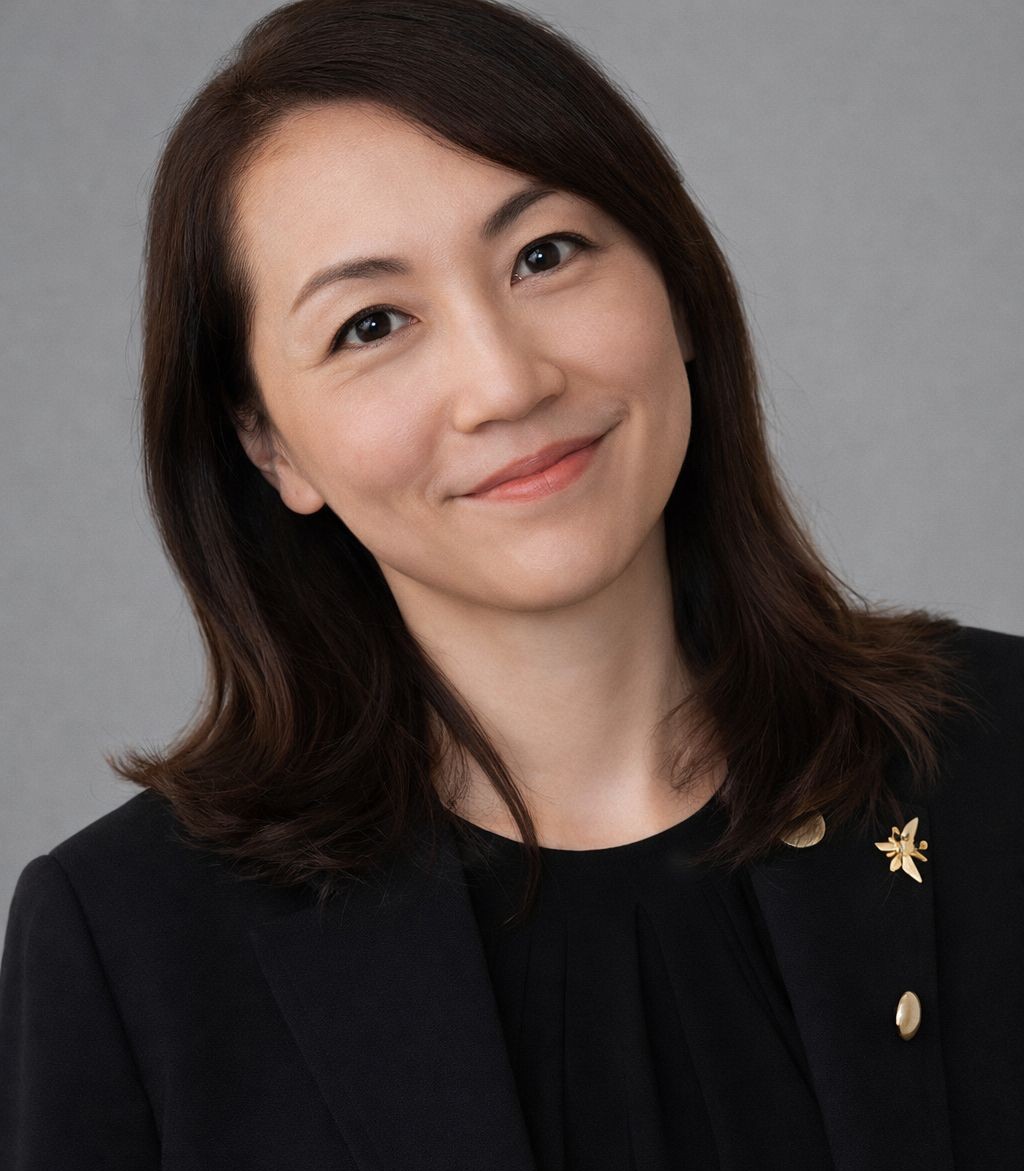
Olivia Chan recently visited Dubai for the first time in her role as East Asia Director, which she began in 2024, for the opportunity to meet the team at the Dubai branch and join the Middle East Graduation Celebration and the international launch of the University’s philanthropy campaign led by University President and Vice-Chancellor, Professor Duncan Ivison. In a packed three-day schedule, she also found time to meet students and alumni and join a social responsibility activity. Olivia is still relatively new in her role leading the University’s first global centre and likes to take a fresh look at the challenges and opportunities the centres may face. The University of Manchester East Asia campus was established in Hong Kong more than 30 years ago and is the only overseas university in Hong Kong to have a centre with its own teaching facilities and staff to support students from the East Asia Region (including Japan, South Korea, Taiwan and Macau).
My last visit to Dubai was 10 years ago in my previous role. It’s a very special place to me and it’s changed of course (much more traffic!) but the overall Dubai experience is still here and everywhere is very neat and very friendly. Randa and her branch team developed a very good schedule for me and my colleague, Laura (Partnerships and Admissions Assistant Manager), and it was thoughtfully created to engage with a lot of different initiatives, meet the team, graduates and alumni, and share best practices.
We run very different global centres in very different locations but we facilitate the delivery of the same programmes such as the Global MBA, MSc Financial Management. We are also in a different part of the economic cycle, so we face different opportunities and challenges. The four international centres try new things so I want to stay connected with all the centres and share best practice.
I'm quite new in this position - just over 18 months – and because I'm in a centre setting, I need to be very 360 degrees. So, I’m in the front office building our brand affinity and recruiting and supporting students, delivering programmes and also in the back office, managing programme development and operations. We are very hands-on and we're very agile so we can make decisions very fast.
We recruit students and support our very big and very active alumni community. The Hong Kong Centre is the University’s oldest, founded in 1992. It's a very diverse community - not just geographically but also culturally and economically. We have at least five major languages to manage – Cantonese, English and then Japanese, Korean and Mandarin. It's challenging because Japan and Korea are apart from Hong Kong and they are major markets but English is not their first language. We get a lot of market intelligence from our alumni and this helps complement my seven staff.
In Hong Kong, we have a very long history of structured alumni support - the alumni association is a registered company with very qualified professionals who are all very passionate and really want to contribute - with some of my masterclasses they help identify potential speakers or even facilitate the full sessions on the spot, in person. We need to keep updated on the market and across our alumni community, so I do travel a lot. Next week I'm going to Japan, Korea and Taiwan on Monday, so this is one of the most intense trips.
It's very important to see people face to face, particularly in East Asia. In this part of the world, people tend to be very conservative and you don't feel a sense of confidence until you really get to meet people especially when you are asking them to make the time and effort to talk about a two-year MBA programme and the sacrifice they need to make, in terms of spending time away from their kids and their work. For middle management working professionals, time is very precious and especially after Covid I think people are very selective on how they spend time. So, for alumni events, for example, we really have to bring true value to them and ensure they are relevant and also meaningful.
We have thousands of alumni from different industries and also at different life and career stages, so they expect different things. So, an HR manager may want to make connections or we have a senior engineer wanting research information or a finance director who wants to do a PhD or the DBA, so there’s a continuous demand from the community.
We are trying to build more corporate partnerships to get more exposure for longer term recruitment opportunities. Over the last 12 months we have been targeting and engaging with a lot of NGOs and most of the chambers of commerce in Hong Kong. We worked with the biggest Chinese chamber on delivering a masterclass and we are promoting our programmes through their channels - it's proven successful and we have recruited some of their members to our programmes.
Students enjoy attending workshops very much - they are not all from Hong Kong; only 50% of our students are based in Hong Kong and they are not necessarily local Hong Kong people. They may be British, Indian or Spanish and then around 30% are from Japan and then the rest split between Taiwan, Korea and southern China. They appreciate the in-person experience but they need to fly into Hong Kong three to four times a year, for three to five days. This is particularly difficult for our students because in our culture, career development and work commitment are very important and it’s extremely challenging for them to take time off from their work, their team and managers.
Workshops take them out of their comfort zone and most importantly, they are learning from each other. Some students are very experienced – maybe 20 years as a senior engineer - but they haven't been meeting people outside their industry, so it's a very valuable opportunity for them to meet people with a different perspective and they get inspiration through these collaborations.
One of our strengths is that we are truly very global so and our cohorts can easily - out of 40 students – cover 15 nationalities. It is the only MBA programme that offers such diversity in Hong Kong. Gender wise, it’s 50:50 and in East Asia 60:40, so sometimes we get more female than male students. In Hong Kong, we have top schools and universities but they have a sharply growing number of students from mainland China. For students with an MNC background, they will probably prefer our programme.
When I'm doing consultations with candidates, I keep telling them I feel very honoured because it’s about their time, their money and their effort. Secondly, I really want them to enjoy it because they are making the sacrifice and nobody does the MBA twice. Having a promising professional leader come to you and say that I'm going to give you two years of my time - this is a job that I feel very honoured to do. I sometimes refer candidates to our alumni and our current students. After all, they offer the user perspective and they're going to give you tips and be very honest. So, we try to make sure that they are not just getting advice from my side. I encourage them all to do research and to do comparisons. The average age of our students is 39, so they are mature enough to reach decisions.





.avif)