
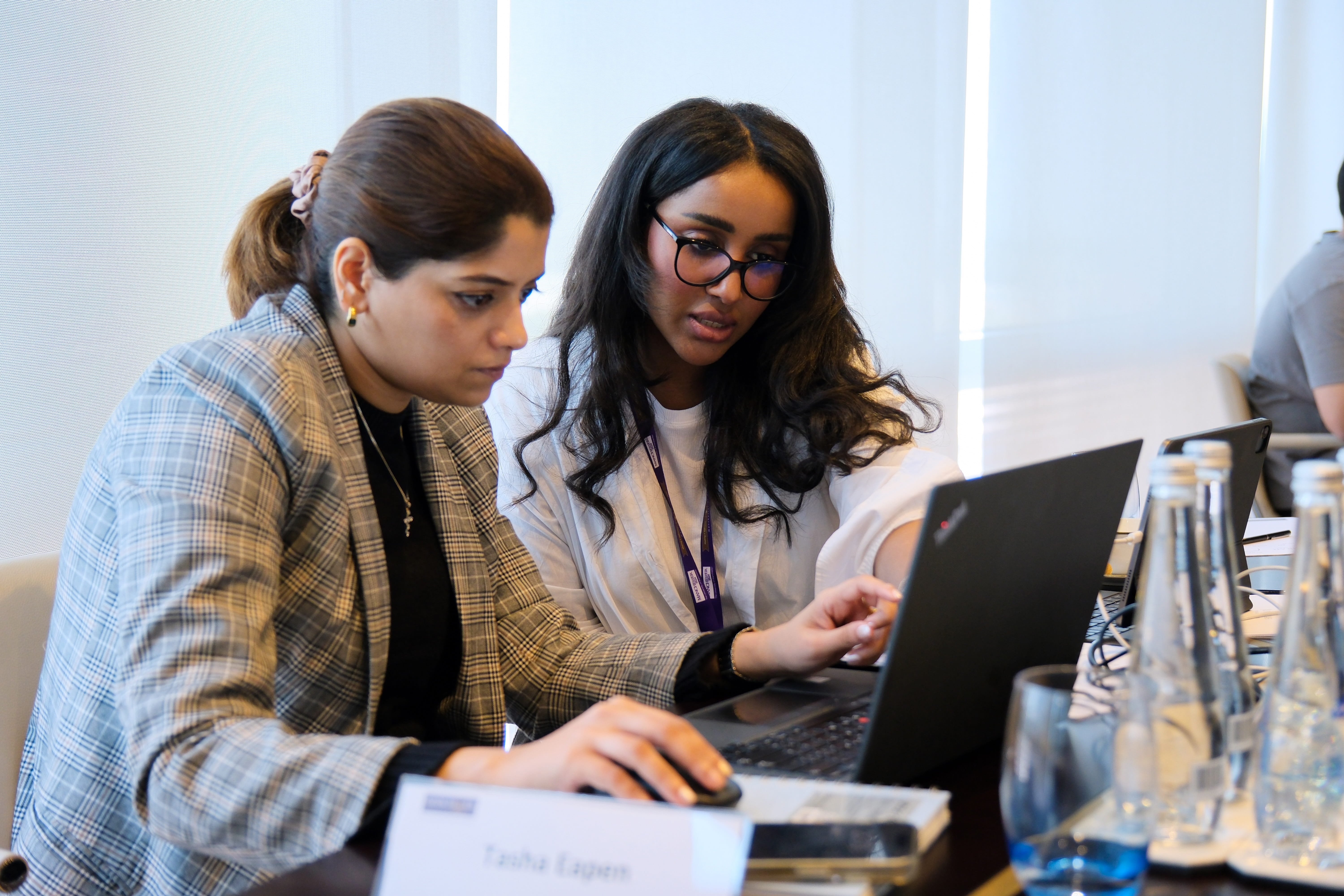
If you are asking, " What is an Executive MBA?”, you are probably not at the beginning of your career.
You have already built experience. You manage people. You influence decisions. You may even run your own business. Now you are thinking about sharpening your strategic thinking, expanding your global perspective, and strengthening your leadership skills without stepping away from the corporate world.
So, what is an executive MBA exactly, and how is it different from a traditional MBA?
Let us break it down clearly.
If you are asking, " What is an executive MBA, you are likely already operating at a senior level.
An Executive MBA, or EMBA, is a specialised Master of Business Administration programme designed for experienced professionals who want to continue working while studying.
Most executive MBA programmes require 8 to 10 years of professional experience, and the average EMBA student at leading global business schools often has around 12 years of work experience. Candidates are typically mid-career professionals or senior-level professionals already holding leadership positions.
Unlike traditional MBA programmes, an executive MBA degree skips basic business foundations and moves directly into advanced strategic leadership, global business practices, and organisational transformation.
The objective is clear. Strengthen leadership capabilities, refine strategic thinking, and expand your global perspective while staying active in the corporate world.
An executive MBA programme recognises that busy senior executives cannot leave their leadership roles.
That is why most EMBA programmes are:
Executive MBA programmes usually last 12 to 24 months, allowing working professionals to balance study with their existing career responsibilities.
The Manchester Global Executive MBA runs over 18 months with a manageable weekly workload. The format combines online classes, international workshop residentials, and applied business projects.
A key feature of executive MBA education is immediate application. EMBA students often apply classroom concepts directly to live business challenges the very next day. The learning does not stay theoretical. It becomes a strategic action.
The EMBA curriculum focuses on advanced leadership and strategic decision-making rather than the more foundational business management skills typically emphasised in traditional MBA programmes.
Executive MBA programmes typically include:
Many EMBA programmes also include international modules or residencies to expose students to different business cultures and strengthen global exposure.
The curriculum focuses on high-level management and equips experienced leaders with analytical skills, strategic skills, and critical skills required in complex global environments.
Unlike a traditional MBA, which builds foundational business functions, an executive master's offers a 360-degree view of business operations. It prepares you to move beyond your specialised role and operate at the enterprise level.
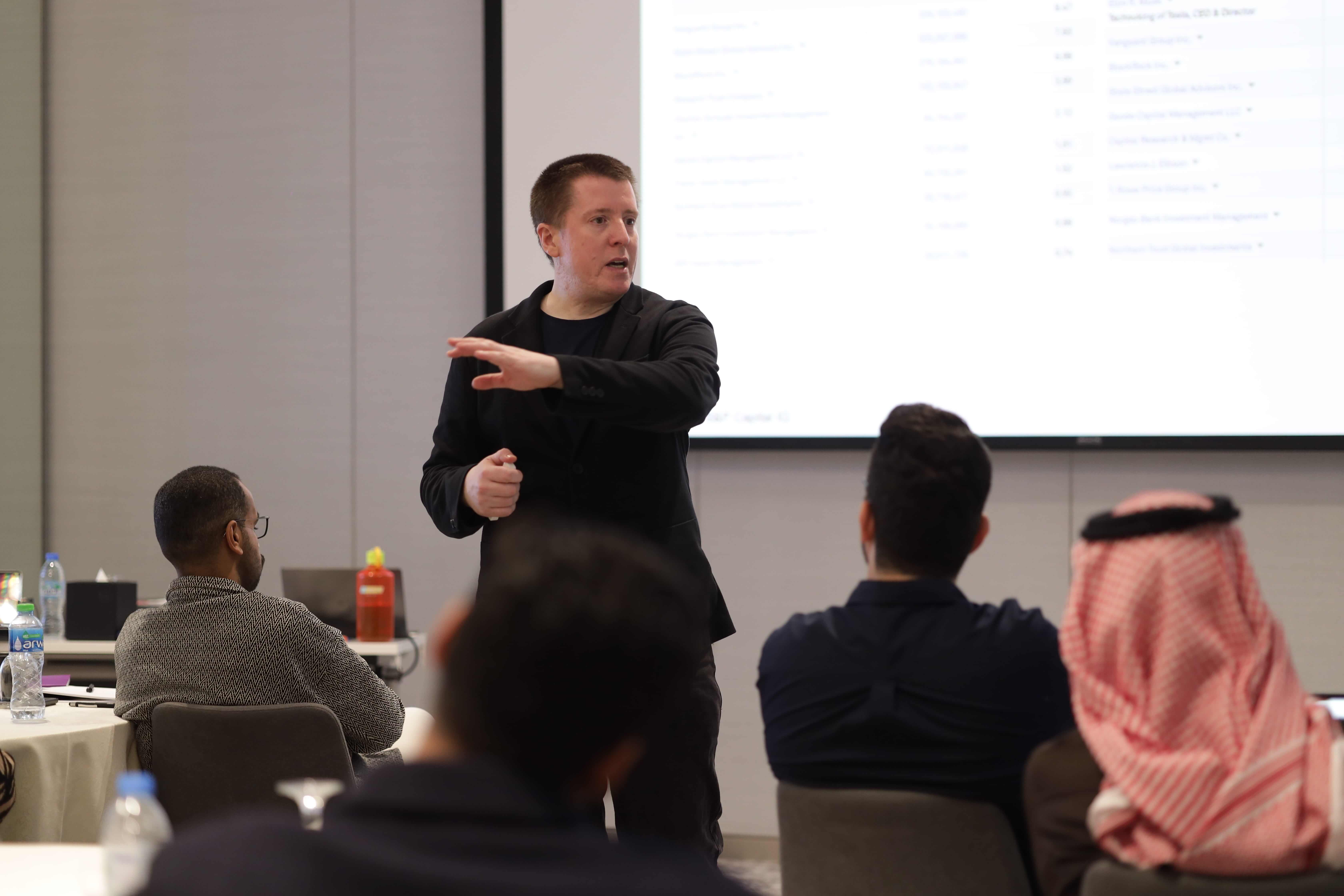
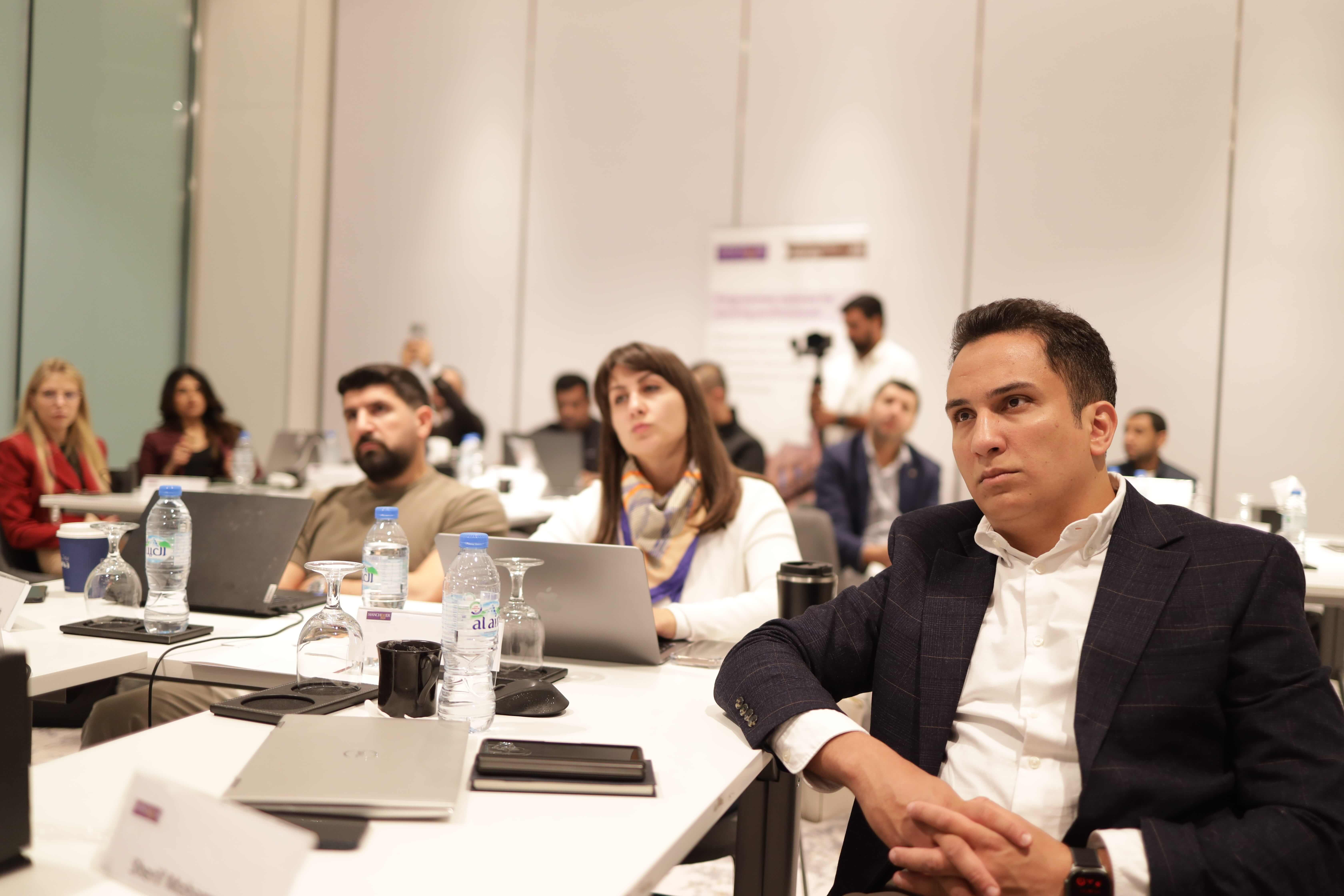
One of the most powerful elements of an executive MBA programme is peer learning.
EMBA cohorts are made up of experienced professionals from diverse sectors. This creates high-level class discussions grounded in real strategic challenges.
In many executive MBA programmes, professors act as facilitators rather than traditional lecturers. Learning becomes collaborative and experience-driven.
This environment strengthens:
EMBA classrooms often include high-calibre executives. The diversity of professional backgrounds elevates discussions and strengthens strategic insight across industries.
Because executive MBA programmes target experienced leaders, the admissions process reflects that level of responsibility.
Executive MBA programmes typically require:
Candidates are usually mid-career professionals or senior managers with P&L responsibility or cross-functional accountability.
Typical admission requirements include:
Strong professional experience can sometimes compensate for lower test scores.
Manchester’s Global Executive MBA specifically seeks senior-level professionals influencing company strategy and decisions, with significant leadership experience and international exposure preferred.
When professionals ask what an executive MBA is, they often want to understand the ROI.
Across leading EMBA programmes:
Many companies sponsor executive MBA education because they see direct organisational impact. Compared to traditional MBA programmes, EMBAs generally have higher rates of corporate sponsorship.
Beyond salary growth, the executive MBA degree builds global recognition, advanced leadership credibility, and access to powerful alumni networks.
Understanding executive MBA vs traditional MBA depends largely on your career stage.
Traditional MBA programmes are designed for early-career professionals or those looking to switch careers. They are often full-time and focus on building foundational business management skills.
Executive MBA programmes are tailored for experienced professionals who already hold managerial positions. They allow you to continue working full-time while studying and emphasise advanced leadership, strategic management, and real-world application.
If you are already leading teams or influencing strategy, an executive MBA programme aligns better with your career objectives.
Ask yourself:
If yes, then an Executive MBA programme may align perfectly with your career goals.
The Global Executive MBA is designed for innovative senior managers, high-level executives, and experienced entrepreneurs ready to rethink how they lead.
With blended delivery, global workshop residentials, triple accreditation, and a strong global network, the programme helps you strengthen strategic leadership while continuing your career.
[Download a brochure] or [Contact us] to learn more!
An Executive MBA is a specialised Master of Business Administration for experienced professionals who continue working while studying. It focuses on advanced leadership, strategic management, and global business challenges.
Executive MBA programmes are part-time and designed for senior professionals with significant work experience. Traditional MBA programmes usually target early career professionals and often require full-time study.
Most EMBA programmes require 8 to 10 years of professional experience with managerial responsibility. Senior leadership exposure and strategic involvement are expected.
Yes. Executive MBA programmes are structured for working professionals through weekend classes, online learning, and flexible formats.
Graduates often benefit from promotions, salary growth, expanded networking opportunities, and develop stronger strategic leadership capabilities within their organisations.





.avif)