
Most professionals think they already know how networking works. You go to networking events, swap business cards, add a few professionals on LinkedIn and wait. Usually, nothing happens.
MBA networking works differently. Done properly, it turns classmates, faculty and alumni into a professional network that supports your career for decades. Done badly, it leaves you with names you never speak to again.
In this guide, we show you how to approach MBA networking with purpose, from your first call with admissions to long after graduation.
An MBA teaches strategy, finance and leadership. Ask graduates what changed their career, though, and many point to the people they met. What makes MBA networking important is the mix of professionals in the room: a bank's risk lead, a hospital operations manager and a founder scaling a logistics business might share one study group, each bringing contacts from different industries.
The networking benefits are practical:
Across the Gulf, business culture places real value on trust and personal relationships, which makes personal connections built during an MBA especially useful for professionals planning their next move in the region.
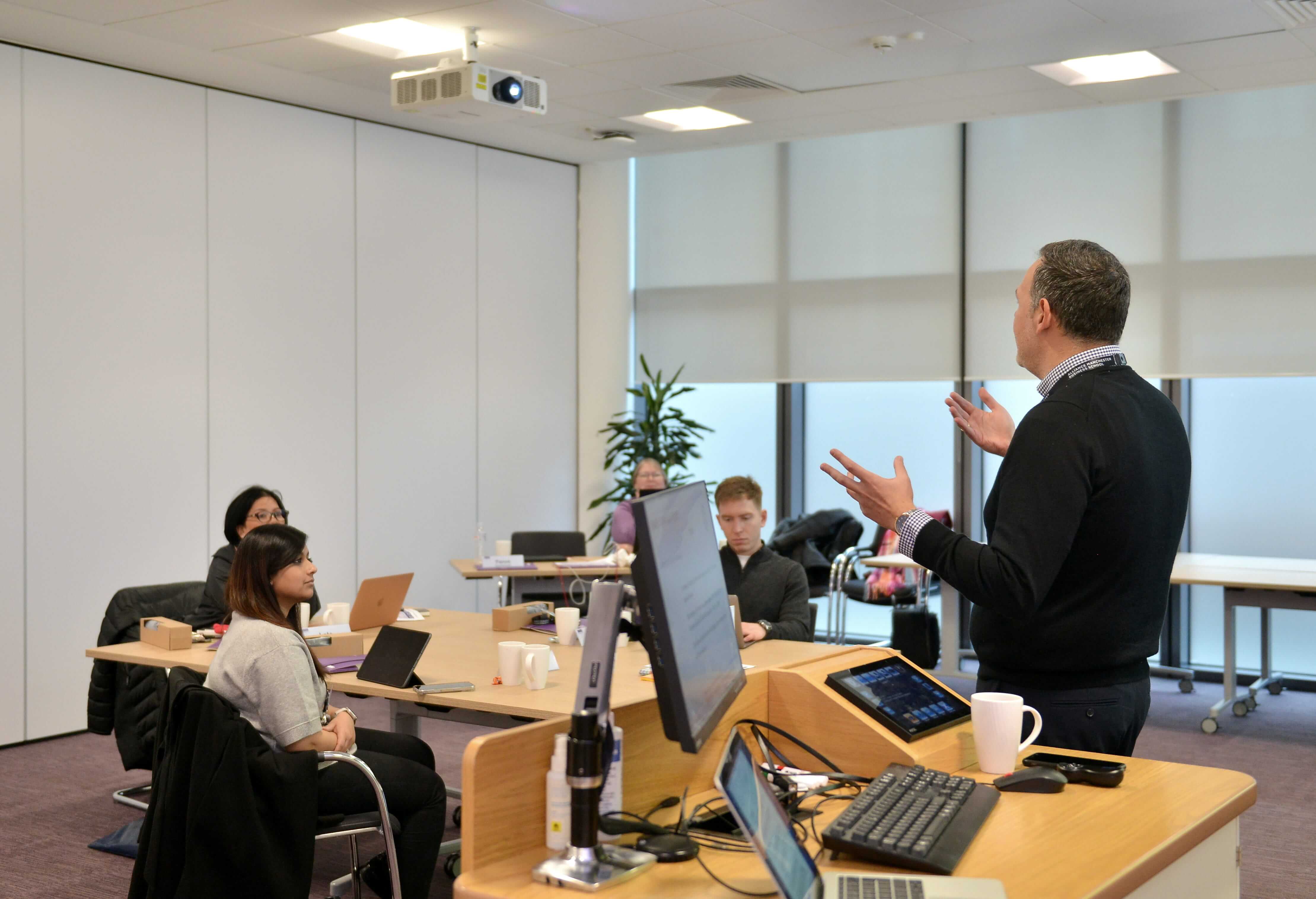
The best business schools do not leave networking to chance. A good business school builds networking into every MBA programme through cohort learning, group projects, residentials and student clubs that push you to work with professionals you would never meet at the office.
Building connections through shared work lasts longer than building connections over coffee. When you have debated a case late at night or presented a strategy together, you know how someone thinks, and they know how you deliver. That trust is what a strong MBA network is built on.
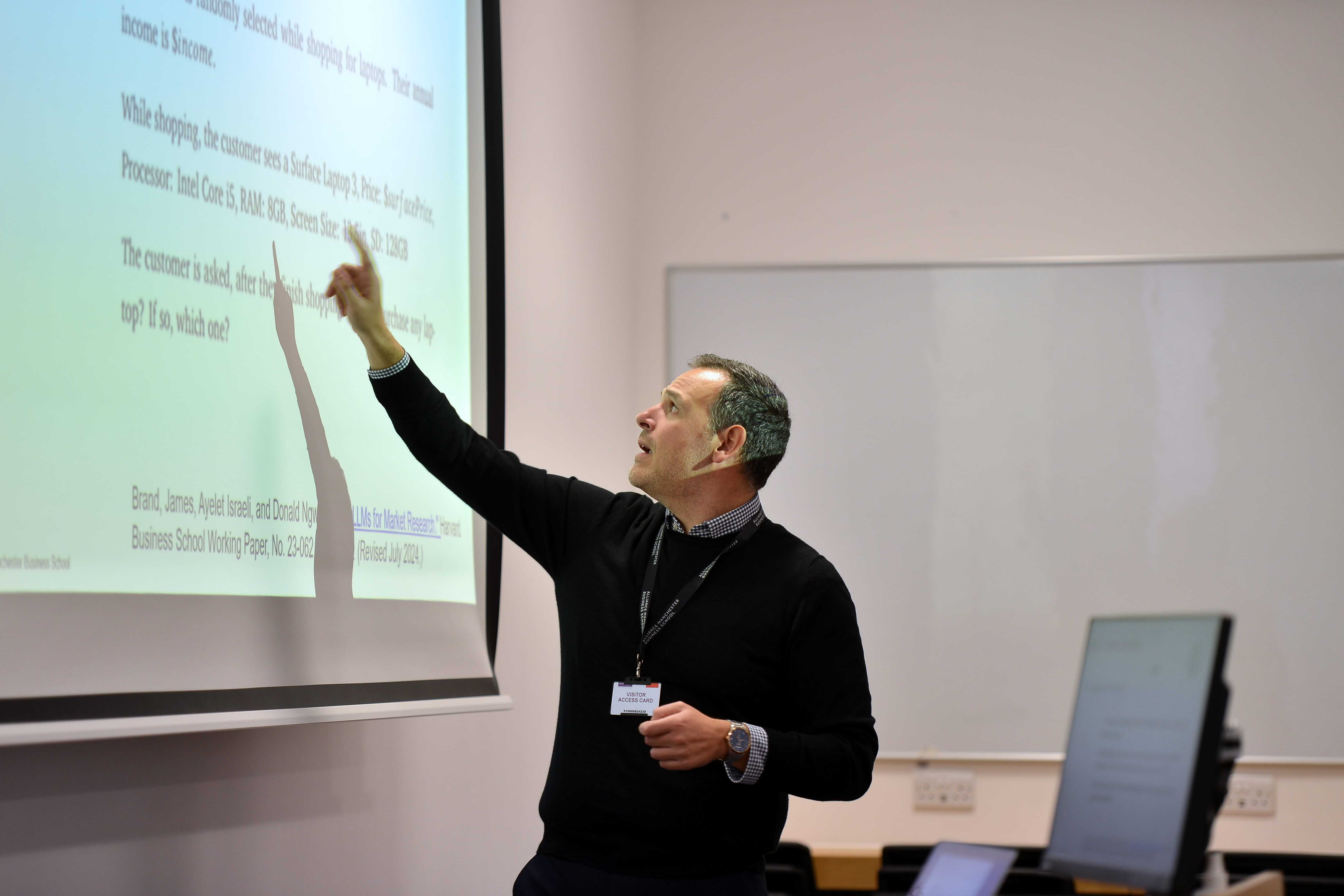
Business schools also bring the outside world in. Guest speakers, industry leaders, company visits and alumni events create networking opportunities with professionals who might otherwise be out of reach. The business schools that do this well produce strong networks that keep growing long after students leave school.
Knowing that networking matters is easy. Learning how to network effectively is harder. Here is a practical approach MBA students at business schools can follow from day one.
Your networking experience begins before you are admitted. During the application process, ask the school whether you can connect with current students or alumni. Ask about the real workload, how cohorts collaborate and which events were worth the time. You gain insights no brochure offers, and you arrive with familiar faces. Treat this as the first step of your MBA application journey.
Your study group is your first professional network at business school. Prepare properly, share credit and follow through. Reputation travels fast among students, and the students who watch you deliver in group projects are the ones who will recommend you later.
In-person workshops are where professional connections become personal. Connect with someone new at every session. Ask other professionals about their goals before talking about your own. This kind of networking is slower than handing out cards, but it lasts.
Attending networking events without a plan leaves you with 30 contacts and no conversation worth remembering. Before you attend events, pick two or three professionals or topics to explore. Aim for a few meaningful connections. Afterwards, follow up on each networking conversation within 48 hours with a short message referring to what you discussed.
Online learning is now part of almost every MBA programme, and online MBA students often worry they will miss out on networking. They do not have to, but online networking takes deliberate effort.
Whether you are studying for an online MBA degree or a blended programme, a virtual environment rewards people who show up consistently. An online MBA degree can still give you a robust network if you treat every call as a networking chance rather than simply marking attendance.
Your alumni network is often your most valuable networking asset after business school, yet many professionals only use it when they need a job. Reach out earlier, with a lighter ask.
When you connect with alumni:
Alumni have already walked the career path you are considering, and most will share what they would do differently.
A school's career services team does far more than review CVs. Many run career coaching, careers seminars, employer events and recruiter introductions that help students connect with hiring managers. Use them early in your MBA experience, not in the final term of your programme.
A conversation with a careers advisor about your career goals helps you decide which networking events, electives and professionals to prioritise. If your dream job sits in a new sector or country, they can help you map the gap. That focus opens more career opportunities than scattered networking ever will.
Your networking should not stop at your cohort. Professional communities and professional events in your field support your professional development. If you work in marketing, for example, bodies such as the American Marketing Association or CIM (The Chartered Institute of Marketing) run events and resources for practitioners.
Industry conferences and sector associations across the UAE and wider Gulf offer similar networking opportunities across industries.
At school, alumni events, social responsibility initiatives and other extracurricular activities help you connect with professionals beyond your study group and explore new industries.
Even capable professionals fall into these networking habits:
Avoiding these builds strong networks and does more for your career growth than extra LinkedIn connections.
The University of Manchester - Dubai builds networking into both of its MBA programmes: the Global MBA and the Global (Executive) MBA. Each MBA programme combines online learning with face-to-face workshop residentials, so working professionals study without stepping away from their careers.
MBA+ offers students networking events, careers seminars, alumni socials and alumni speaker events, while GEMBA+ adds discussions with senior alumni and visits to global organisations. You learn alongside professionals from over 90 countries and join an alumni network of 60,000 people across 176 countries.
MBA networking is not about how many people you know. It is about how many people know what you can do and trust you enough to open a door.
Start early, add value first and keep going after graduation. Approached this way, MBA networking becomes part of your professional life and keeps shaping your career journey.
Ready to start? Download the brochure or request a callback to find the MBA programme that fits your goals for career success.
1. When should I start MBA networking?
Before your first class. Speaking with students and alumni during your application helps you choose the right programme and gives you familiar networking contacts from day one.
2. Who will I network with on the Global (Executive) MBA?
A closed cohort of senior leaders, most typically handling their company's overall direction, so MBA networking happens among peers working at the same strategic level.
3. Is networking on a part-time MBA as strong as on a full-time MBA?
It can be. Part-time MBA students are usually working professionals in active roles, so their contacts are often directly relevant to the industries you target. You simply need to plan networking time around work.
4. Can I keep networking if my career takes me abroad during the Global MBA?
Yes. You can take workshops at the school's centres/branches in Manchester, Dubai, Hong Kong, Shanghai or Singapore without interruption.
5. Can networking help me move into a new industry or country?
Yes. Fellow students and alumni in other industries can explain how hiring works in their field, which skills matter and who is worth meeting, helping you spot professional opportunities early.